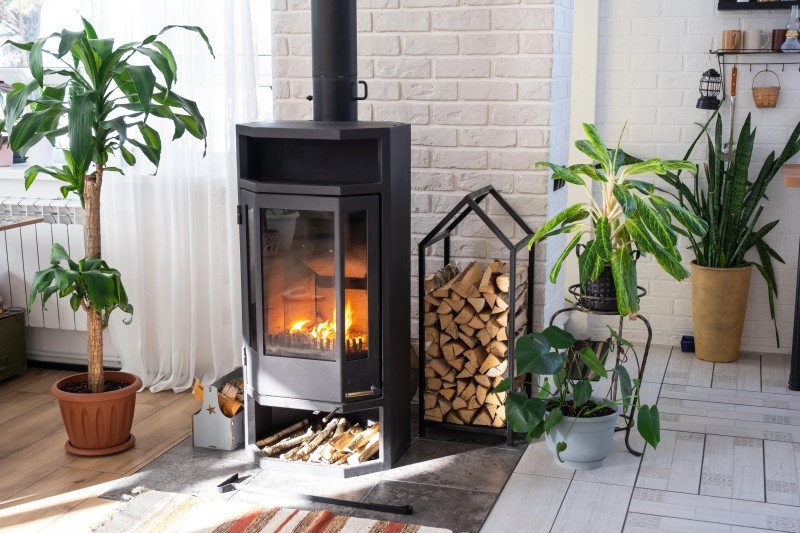
The Fireplace: A Warm Embrace of Tradition and Comfort
Fireplaces have actually been an essential part of human habitation for centuries, serving as a source of warmth, a meeting place, and a sign of convenience. While the modern variations might differ incredibly from their ancient forefathers, the appeal of a fireplace endures. This post checks out the different elements of fireplaces, including their history, function, types, and upkeep, while likewise attending to frequently asked concerns.
The Evolution of Fireplaces
Fireplaces date back to ancient times when open flames were used for cooking, heating, and protection from wildlife. Over the centuries, fireplaces evolved from simple fire pits to the sophisticated performances we see today. Here is a brief timeline of their advancement:
- Prehistoric Era: Cavemen used open flames for heat and cooking. Wind and smoke frequently blew into residences.
- Middle Ages: Stone and brick fireplaces ended up being typical in homes and castles, incorporating chimneys to carry smoke outside.
- Renaissance: Elaborately developed mantels emerged, and fireplaces ended up being centers of social interaction.
- Industrial Revolution: Innovations in heating products caused a range of designs and functionalities.
- Modern Era: The introduction of natural gas, electric, and bioethanol fireplaces offered cleaner alternatives to traditional wood-burning units.
Table 1: The Evolution of Fireplaces
| Age | Characteristics |
|---|---|
| Prehistoric Era | Open flames for warmth and cooking |
| Middle Ages | Stone and brick structures with early chimneys |
| Renaissance | Elaborate mantels, social centers |
| Industrial Revolution | Varied designs, advent of new materials |
| Modern Era | Gas, electric, and bioethanol choices |
The Purpose of a Fireplace
Fireplaces serve dual purposes: they provide physical heat and develop an emotional environment. Homeowners typically gather around the fireplace to bond, share stories, and delight in a cozy setting. The glow of a fire can be soothing, contributing to a sense of relaxation and intimacy. Beyond personal satisfaction, fireplaces also provide practical benefits, consisting of:
- Home Heating: Effective heat source, especially in chillier climates.
- Increased Home Value: A well-designed fireplace can improve the visual worth of a home.
- Emergency Heating: In case of power outages, wood-burning fireplaces can work as an important heat source.
- Aesthetic Appeal: A centerpiece that adds to interior decor.
Types of Fireplaces
Today, fireplaces come in various styles and fuel types, accommodating a varied variety of choices and settings. Here are some common types:
Wood-Burning Fireplaces:
- Traditional fire pits
- Classic masonry fireplaces
- Require considerable maintenance and chimney upkeep
Gas Fireplaces:
- Available in both direct vent and ventless varieties
- Easier to utilize and keep than wood-burning fireplaces
- Offer immediate heat with a flick of a switch
Electric Fireplaces:
- Offer associated heat sources without genuine flames
- Typically designed to simulate traditional fireplaces
- Ideal for smaller sized spaces and homes without a chimney
Bioethanol Fireplaces:
- Use bioethanol fuel, offering a sustainable option
- Require no ventilation and can be positioned anywhere
- Safe and simple to keep
Table 2: Types of Fireplaces
| Type | Fuel Source | Features | Upkeep Requirements |
|---|---|---|---|
| Wood-Burning | Wood | High ambiance, heat source | Routine chimney cleansing |
| Gas | Gas or lp | Immediate heat | Very little, periodic servicing |
| Electric | Electricity | Easy setup | Really low upkeep |
| Bioethanol | Bioethanol fuel | Ventless, portable | Low, primarily cleaning up |
Upkeep and Safety Considerations
Owning a fireplace involves specific duties, specifically concerning its safe operation and long-term upkeep. Here are very important upkeep pointers and safety standards:
Maintenance Tips:
- Annual Inspection: Always have your chimney and fireplace inspected at least as soon as a year by a certified technician.
- Regular Cleaning: Clean out ashes and particles after each use, and ensure the flue is open before starting a fire.
- Look for Cracks: Inspect masonry for fractures or damage to avoid structural concerns.
- Use Proper Fuel: Only usage dry, experienced wood for wood-burning fireplaces; do not burn treated wood.
Security Guidelines:
- Install Smoke Detectors: Ensure smoke alarm are practical, testing them monthly and replacing batteries as required.
- Keep a Fire Extinguisher: Have one nearby, even if a fireplace is used infrequently.
- Supervise Flames: Never leave a fire unattended, and make sure kids and pets are kept track of around the fireplace.
Regularly Asked Questions (FAQs)
1. How can I lower smoke from a wood-burning fireplace?
To minimize smoke, usage dry, seasoned wood, and ensure that your chimney is clean and unblocked.
2. Is Online Fireplaces UK to use gas fireplaces during a gas leak?
Never ever use a gas fireplace during a gas leak. Instantly leave the area and contact gas services for assistance.
3. Can I set up an electric fireplace myself?
Electric fireplaces are normally simple to set up, however it is recommended to speak with experts to ensure safety and compliance with local building regulations.
4. What is the very best kind of fireplace for small areas?
Electric fireplaces or bioethanol models are typically best for small areas, as they do not require comprehensive ventilation or structural modifications.
Fireplaces have transcended their initial function of supplying heat to end up being valued components of home design and family life. They stimulate memories of heat, celebrations, and togetherness while offering practical benefits that enhance modern living. By understanding the different types of fireplaces, their upkeep, and security practices, homeowners can take pleasure in the timeless appeal of this precious feature for generations to come.